
What materials can be filled into capsules?
Common Fill Materials for Capsules

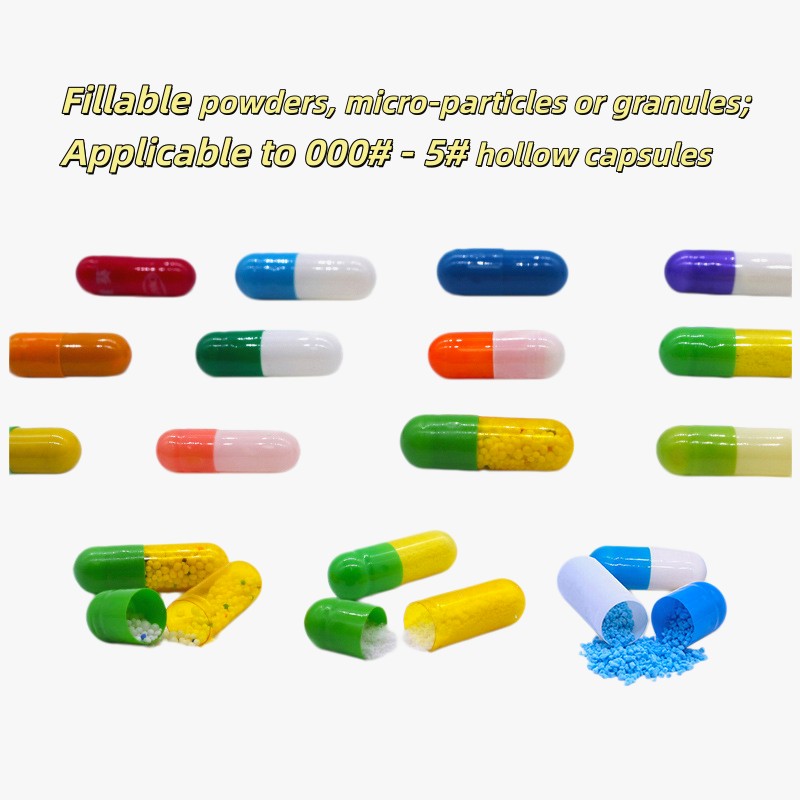
Capsules are a popular dosage form in the pharmaceutical industry, and they can be filled with a variety of materials. One of the most common fill materials is powder. Powders can be derived from various sources, including herbs, vitamins, and minerals, making them versatile for different formulations. The fineness and flowability of the powder significantly affect the filling process, especially when using a capsule filling machine like those offered by ChengPak. In addition to powders, liquids can also be encapsulated. This method is often used for oils or medicinal liquids that are difficult to compress into powder form. Liquid-filled capsules require specialized equipment to ensure proper filling without leakage. The incorporation of hygroscopic substances might necessitate additional considerations during the filling process to maintain capsule integrity. Another popular fill material is granules. Granulation helps improve the flow properties of the materials, which is beneficial for achieving higher filling efficiency. Granules can be made from a blend of active pharmaceutical ingredients and excipients, allowing for controlled release profiles. With the right formulation and a reliable capsule filling machine, manufacturers can produce high-quality granule-filled capsules efficiently.
Specialized Fill Materials
Over recent years, the use of specialized fill materials has gained traction. For instance, some capsules are now filled with pellets, which offer enhanced bioavailability due to their small size and surface area. Pellets can be designed for delayed release or targeted delivery, making them suitable for various therapeutic applications. Moreover, biotechnology advancements have led to the development of fill materials like microencapsulated substances. These can protect sensitive ingredients from degradation and provide controlled release mechanisms. The growing demand for such advanced formulations underscores the importance of using high-quality capsule filling machines, such as those produced by ChengPak, to meet industry standards. In some cases, capsules are filled with combination products, where multiple active ingredients are combined into one capsule. This approach can enhance efficacy and patient compliance while simplifying dosing regimens. However, careful consideration of the compatibility of the ingredients is crucial to prevent interactions that could affect the product’s effectiveness.
Considerations for Capsule Filling
When selecting materials for capsule filling, one must consider factors such as moisture content, particle size, and flow properties. These characteristics influence how well the materials can be handled and processed during filling. Companies often conduct extensive testing to ensure that the selected materials are compatible with the capsule shells and the manufacturing process. Using a reliable capsule filling machine, like those from ChengPak, ensures that these materials can be filled accurately and consistently. The technology behind these machines allows for precise measurements and minimizes waste, which is essential in maintaining product quality and maximizing efficiency in production. Additionally, regulatory compliance and safety considerations play a vital role in the selection of fill materials. Manufacturers must ensure that all ingredients are safe for consumption and meet the necessary guidelines set by health authorities. This attention to detail not only protects consumers but also enhances the reputation of the brand.
This article comes from ChengPak, a professional manufacturer of fully automatic capsule filling machines (pharmafillerfactory.com). ChengPak is a leading manufacturer of pharmaceutical capsule filling equipment, producing not only capsule filling machines but also tablet presses, pre-filled syringe/cartridge filling and sealing equipment, and vial filling equipment.