
What is the difference between cartridge and syringe filling?
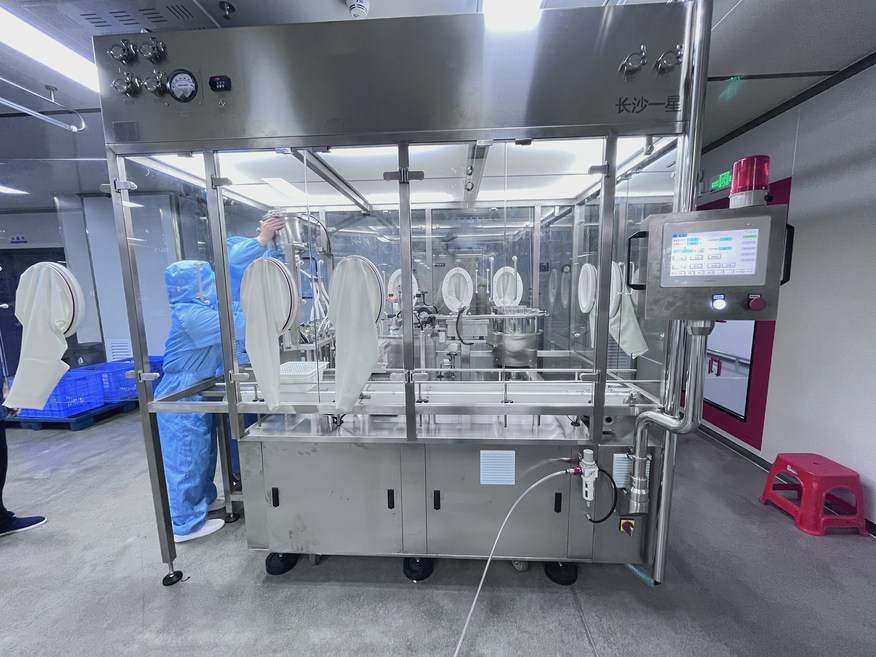
Cartridge filling is designed for pen injectors and reusable delivery devices, while syringe filling is mainly for single-use injections. Cartridges often require vacuum stoppering and higher precision.

Overview of Cartridge Filling
Cartridge filling is a method commonly used in the pharmaceutical industry to package liquid medications in a convenient and efficient manner. This process involves using a specialized machine, such as the ChengPak pharma cartridge filling machine, which ensures precise and accurate filling of cartridges with minimal waste. The main advantage of cartridge filling is that it allows for a more controlled dosage, making it easier for patients to administer their medication. Additionally, cartridges are often designed to be tamper-proof, which enhances the safety and integrity of the product. This method also enables manufacturers to produce a larger volume of filled cartridges without compromising quality. In contrast, syringe filling is typically utilized for single-use applications where immediate administration is required. Syringes are often used in settings such as hospitals or clinics, where healthcare professionals need to quickly access medication. While syringe filling can be efficient, it might not offer the same level of precision as cartridge filling, especially when dealing with larger batches.
Differences in Equipment and Process
The equipment used for cartridge filling is specifically designed to handle pre-formed cartridges, which usually come in various sizes and capacities. For example, the ChengPak pharma cartridge filling machine is built to accommodate different cartridge standards and can be easily adjusted for different specifications. This flexibility allows manufacturers to switch between products without significant downtime. On the other hand, syringe filling machines may vary in design, often focusing on high-speed production for large quantities. These machines are equipped with features that allow for rapid filling and capping, catering primarily to the needs of medical professionals who require swift and efficient service. However, the focus on speed sometimes leads to a trade-off in accuracy, especially when handling viscous or sensitive solutions. Another key difference lies in the final packaging process. Cartridges can typically be sealed and labeled in a single operation, streamlining the workflow. In contrast, syringes often require additional steps, such as the insertion of plunger rods and protective caps, which can increase the overall production time. The increased complexity in syringe filling processes can lead to higher operational costs compared to cartridge filling.
Applications and Market Trends
Cartridge filling is gaining popularity in various therapeutic areas, including biologics and biosimilars. The demand for these products is rising due to the increasing prevalence of chronic diseases that require long-term treatment regimens. Manufacturers are investing in advanced cartridge filling technologies, such as those offered by ChengPak, to meet the growing market demand and improve patient compliance. On the other hand, syringe filling remains a staple in vaccine production and emergency medicine. The rapid response required during health crises, like pandemics, has led to an increased emphasis on developing high-throughput syringe filling capabilities. The ability to produce ready-to-use syringes quickly and efficiently is critical in these scenarios, driving innovation in filling machinery. The trend towards automation in both cartridge and syringe filling processes is also noteworthy. Companies are increasingly adopting automated systems for both types of filling to enhance efficiency, reduce human error, and ensure consistent quality. As technology continues to evolve, it is likely that we will see further integration of smart solutions in these filling processes.
This article comes from ChengPak, a professional manufacturer of pharmaceutical cartridge bottle filling equipment. ChengPak not only produces capsule filling machines, but also tablet presses, pre-filling and sealing equipment, and vial filling equipment.