
How does a cartridge filling machine work?
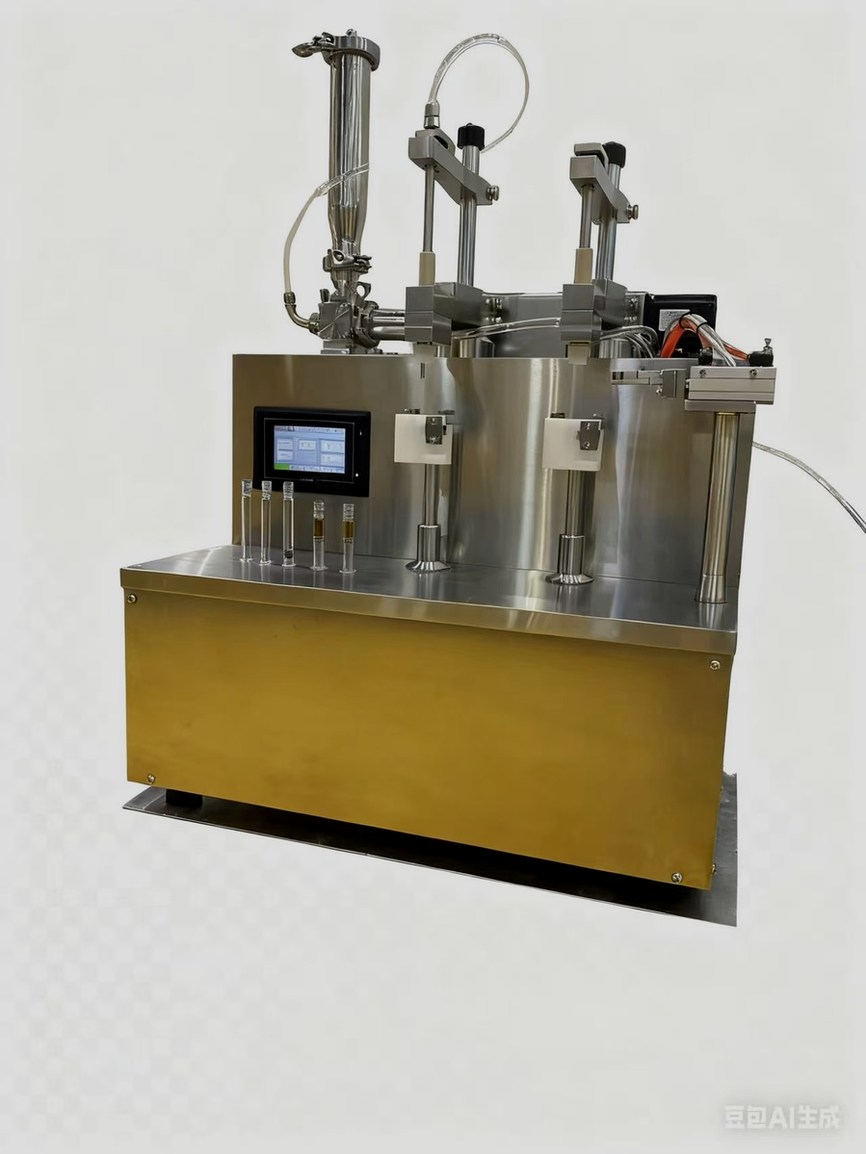
It typically performs cartridge loading, liquid filling, vacuum or pressure-assisted stoppering, sealing, and optional inspection under controlled aseptic conditions.
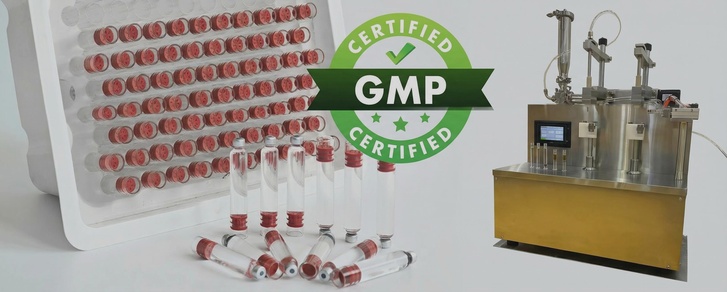
Understanding Cartridge Filling Machines
Cartridge filling machines are essential tools in various industries, particularly in pharmaceuticals and cosmetics. These machines automate the process of filling cartridges with liquids, creams, or pastes, ensuring accurate measurements and reducing human error. The technology behind these machines allows for high-speed production while maintaining a sterile environment, which is crucial for pharma applications. The design of a cartridge filling machine typically includes a hopper for holding the product, a filling nozzle, and a mechanism for sealing the cartridges after filling. Many modern machines utilize advanced control systems to monitor the filling process, ensuring that each cartridge is filled to the correct volume. This precision is vital in industries where dosage accuracy can impact product efficacy and safety. In addition to accuracy, these machines are designed for ease of use and maintenance. Operators can quickly set up the machine for different cartridge sizes or types, making them versatile for various products. ChengPak’s pharma cartridge filling machine exemplifies this adaptability, offering a range of configurations suited for different manufacturing needs.
The Filling Process
The filling process begins with the preparation of the cartridge and the product to be filled. Cartridges are often pre-cleaned and sterilized to prevent contamination. Once prepared, the cartridges are positioned in the machine, ready for filling. The filling nozzle is then activated, and the product is dispensed into each cartridge at a controlled rate. During the filling operation, sensors monitor the volume being filled in real time. If any discrepancies are detected, the machine can automatically adjust to ensure that each cartridge receives the correct amount of product. This high level of automation not only enhances production efficiency but also minimizes the risk of human error that could arise during manual filling processes. After filling, the cartridges undergo sealing, which is another critical step in the process. Proper sealing ensures that the product remains uncontaminated and maintains its integrity over time. ChengPak’s machines are designed to provide reliable sealing options that cater to different cartridge materials, enhancing the overall packaging quality.
Benefits of Using Cartridge Filling Machines
Utilizing cartridge filling machines brings numerous benefits to manufacturers. One of the primary advantages is increased efficiency. Automating the filling process allows companies to scale their production without sacrificing quality. This efficiency translates to higher output rates and reduced labor costs, a significant consideration for businesses looking to enhance profitability. Furthermore, these machines contribute to product consistency. By eliminating variations that can occur with manual filling, manufacturers can deliver products that meet regulatory standards and customer expectations. The precision offered by machines like ChengPak’s ensures that each batch maintains uniformity, which is particularly important in pharmaceutical applications where dosage accuracy is critical. Additionally, cartridge filling machines are designed with flexibility in mind. They can handle a variety of products and cartridge types, allowing manufacturers to diversify their offerings without investing in multiple machines. This versatility is a key selling point for businesses aiming to respond quickly to market changes and consumer demands.
This article comes from ChengPak, a professional manufacturer of pharmaceutical cartridge bottle filling equipment. ChengPak not only produces capsule filling machines, but also tablet presses, pre-filling and sealing equipment, and vial filling equipment.